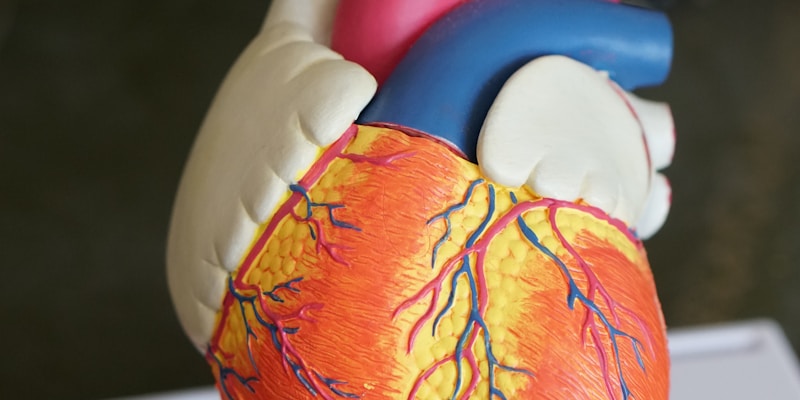
Heart failure management has undergone revolutionary changes in recent years. The 2022 ACC/AHA/HFSA guidelines introduced significant updates that every cardiologist must understand.
The Four Pillars of HFrEF Therapy
The foundation of modern HFrEF treatment now includes four evidence-based drug classes:
1. ARNI (Sacubitril/Valsartan)
- Mechanism: Neprilysin inhibition + ARB
- Evidence: PARADIGM-HF trial showed 20% reduction in CV death/HF hospitalization
- Target dose: 97/103 mg twice daily
- Key consideration: 36-hour washout from ACE inhibitors
2. Beta-Blockers
- Evidence-based agents: Carvedilol, bisoprolol, metoprolol succinate
- Benefits: Reduce mortality, improve EF, decrease hospitalizations
- Titration: Start low, go slow, target maximum tolerated dose
3. Mineralocorticoid Receptor Antagonists (MRAs)
- Agents: Spironolactone (25-50 mg) or eplerenone (25-50 mg)
- Benefits: 30% reduction in mortality (RALES trial)
- Monitoring: Potassium and renal function
4. SGLT2 Inhibitors
- Agents: Dapagliflozin (10 mg) or empagliflozin (10 mg)
- Benefits: Reduce CV death and HF hospitalization regardless of diabetes status
- DAPA-HF and EMPEROR-Reduced: Landmark trials
Key Point: All four pillars should be initiated as soon as possible, ideally at diagnosis. Don’t wait for sequential optimization.
HFpEF: Finally Some Progress
Heart failure with preserved ejection fraction has been notoriously difficult to treat. Recent breakthroughs include:
SGLT2 Inhibitors in HFpEF
- EMPEROR-Preserved and DELIVER trials: First therapies to show clear benefit
- Recommendation: SGLT2 inhibitors are now Class I recommendation for HFpEF
GLP-1 Receptor Agonists
- Semaglutide and tirzepatide: Promising data in肥胖-related HFpEF
- Benefits: Weight reduction + cardiovascular benefits
Device Therapy Updates
Cardiac Resynchronization Therapy (CRT)
- Expanded indications: Now recommended for LBBB with EF ≤ 35%
- His-bundle pacing: Emerging alternative to traditional CRT
CardioMEMS
- Remote pulmonary artery pressure monitoring
- Reduces HF hospitalizations by 30-40%
- Patient selection: NYHA Class III with prior hospitalization
Acute Heart Failure Management
The ADHERE Approach
- Assess volume status: Congested vs. dry
- Diuretics: IV furosemide for congestion
- Vasodilators: Nitroglycerin for hypertensive emergencies
- Inotropes: Dobutamine/milrinone for cardiogenic shock
Newer Options
- Omecamtiv mecarbil: First-in-class myosin activator
- Vericiguat: Soluble guanylate cyclase stimulator for worsening HF
Quality Metrics
Track these for optimal HF care:
| Metric | Target |
|---|---|
| ACEi/ARB/ARNI use | > 80% |
| Beta-blocker use | > 80% |
| MRA use | > 70% |
| SGLT2i use | > 60% |
| ICD/CRT as appropriate | > 90% |
Conclusion
Heart failure treatment has never been more effective. By implementing all four pillars of GDMT and staying current with device therapy, we can dramatically improve patient outcomes.
Deepen your knowledge: Explore our heart failure resources →

Case-Based Comprehensive Cardiology
Master cardiology through real-world clinical cases. The perfect companion to this article.
Get it for $2.99