Preparing for your cardiology board examination is one of the most important milestones in your career. Whether you’re taking the ABIM Cardiovascular Disease certification or recertification exam, this guide will help you prepare effectively.
Understanding the Exam Structure
The ABIM Cardiovascular Disease exam consists of approximately 240 multiple-choice questions administered over a 10-hour testing session. The exam covers the full spectrum of cardiovascular medicine, including:
- Preventive Cardiology (15-20%)
- Heart Failure (15-20%)
- Coronary Artery Disease (15-20%)
- Arrhythmias (15-20%)
- Valvular Heart Disease (10-15%)
- Congenital Heart Disease (5-10%)
Key Topics to Master
1. Echocardiography Interpretation
Echocardiography remains the cornerstone of cardiac imaging. You must be proficient in:
- Transthoracic Echo (TTE): Chamber dimensions, wall motion, ejection fraction
- Transesophageal Echo (TEE): Valvular assessment, thrombus detection
- Stress Echocardiography: Ischemia detection, viability assessment
- Strain Imaging: GLS, regional strain patterns
Pro Tip: Practice reading at least 10 echocardiograms daily during your preparation period. The pattern recognition skills you develop will be invaluable on exam day.
2. Heart Failure Management
Heart failure questions are heavily represented on the boards. Focus on:
- HFrEF vs HFpEF classification and treatment
- Guideline-directed medical therapy (GDMT): ACEi/ARB/ARNI, beta-blockers, MRAs, SGLT2 inhibitors
- Device therapy: ICD, CRT, LVAD
- Acute decompensated heart failure management
3. Coronary Artery Disease
Understanding CAD pathophysiology and management is essential:
- Stable angina: Medical therapy, risk stratification
- ACS management: NSTEMI vs STEMI protocols
- Interventional cardiology: PCI indications, stent selection
- Cardiac rehabilitation: Evidence-based benefits
Study Strategies That Work
Create a Structured Study Plan
We recommend a 12-week study plan:
| Week | Focus Area | Hours/Week |
|---|---|---|
| 1-2 | Echocardiography | 15-20 |
| 3-4 | Heart Failure | 15-20 |
| 5-6 | Coronary Artery Disease | 15-20 |
| 7-8 | Arrhythmias | 15-20 |
| 9-10 | Valvular & Congenital | 15-20 |
| 11-12 | Practice Questions | 20-25 |
Use Active Recall Techniques
Passive reading is inefficient. Instead:
- Practice questions: Aim for 2,000+ questions before exam day
- Flashcards: Create cards for key facts, formulas, and guidelines
- Teach others: Explaining concepts reinforces your understanding
- Review mistakes: Analyze every question you get wrong
Recommended Resources
- Clinicapedia Board Review Materials: Comprehensive study guides and practice exams
- ACC/AHA Guidelines: Stay current with the latest recommendations
- Review Journals: Circulation, JACC, European Heart Journal
Final Thoughts
Success on your cardiology boards requires consistent effort, strategic study, and quality resources. Start early, stay disciplined, and trust the process.
Ready to begin your preparation? Explore our board review resources →
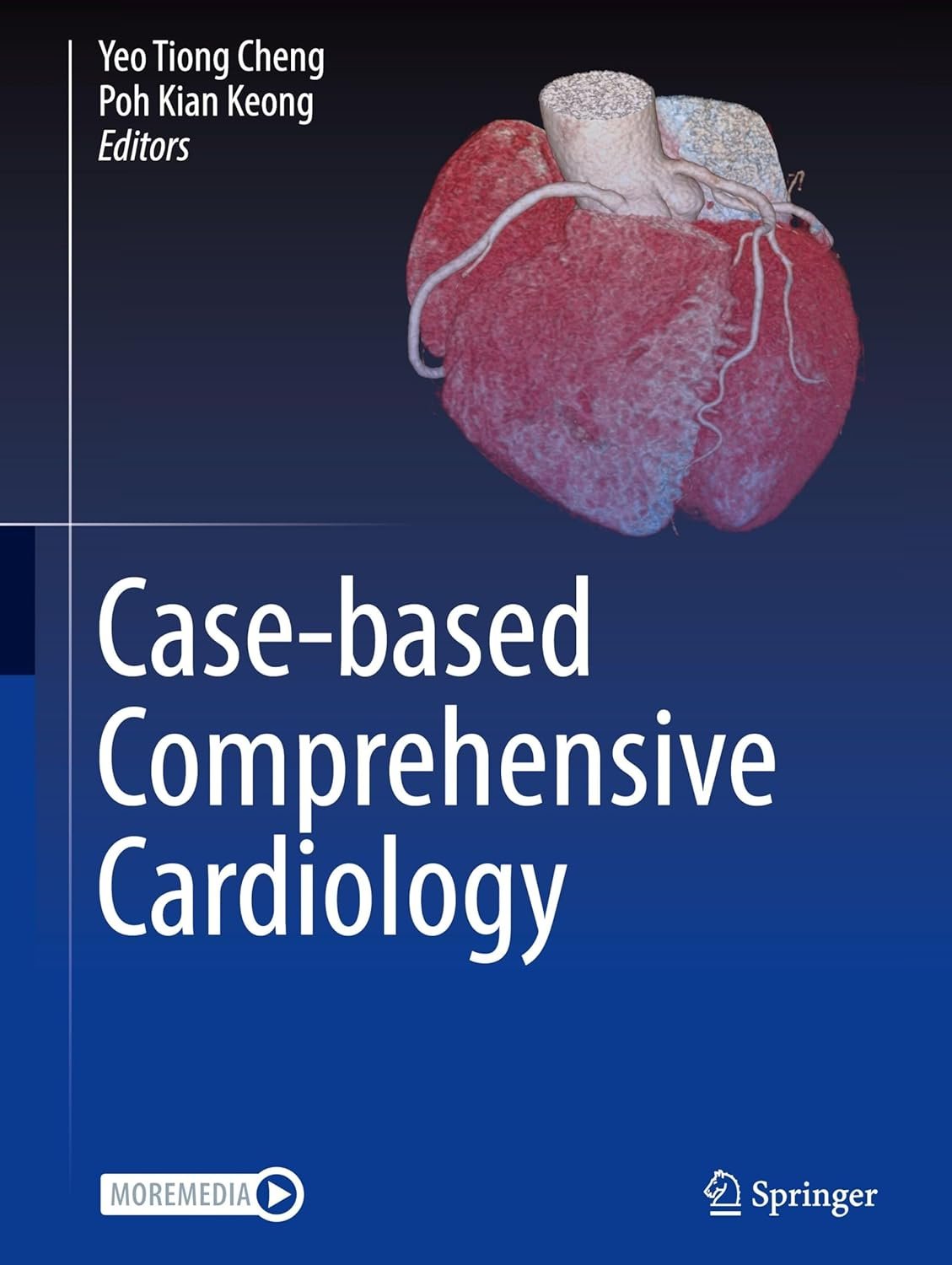
Case-Based Comprehensive Cardiology
Master cardiology through real-world clinical cases. The perfect companion to this article.
Get it for $2.99