Why Case-Based Learning Is the Best Way to Master Cardiology
Cardiology is one of the most complex and rapidly evolving medical specialties. With intricate hemodynamics, nuanced diagnostic algorithms, and ever-changing treatment guidelines, traditional textbook learning often falls short. That’s where case-based learning (CBL) transforms the game.
What Is Case-Based Learning?
Case-based learning is an educational approach where students and clinicians work through real or simulated patient cases to develop clinical reasoning skills. Instead of memorizing facts in isolation, learners engage with complete clinical scenarios — from patient presentation to diagnosis and management.
In cardiology, this means working through cases like:
- A 58-year-old presenting with acute chest pain and ST-segment changes
- A patient with progressive dyspnea and new-onset atrial fibrillation
- An asymptomatic patient discovered to have severe aortic stenosis during routine evaluation
Why CBL Outperforms Traditional Learning
1. Develops Clinical Reasoning, Not Just Memorization
Traditional cardiology education often relies on memorizing drug dosages, ECG patterns, and classification systems. While foundational knowledge is essential, clinical reasoning — the ability to synthesize information and make decisions — is what separates competent cardiologists from exceptional ones.
Case-based learning forces you to:
- Analyze presenting symptoms in context
- Prioritize diagnostic tests based on clinical probability
- Interpret results within the patient’s overall clinical picture
- Make treatment decisions balancing efficacy, risk, and patient preferences
2. Mirrors Real Clinical Practice
Every patient encounter is essentially a case study. When you train with realistic cases, you develop pattern recognition skills that transfer directly to the bedside. Studies show that clinicians trained with CBL methods demonstrate 23% better diagnostic accuracy compared to those trained with traditional methods alone.
3. Enhances Retention Through Active Engagement
The testing effect and spaced retrieval are well-documented cognitive principles. When you actively work through a case — struggling with the diagnosis, weighing options, and arriving at a conclusion — the knowledge sticks far better than passive reading.
Research published in Medical Education found that students using case-based methods retained 40% more clinical information at 6-month follow-up compared to lecture-based learning.
4. Ideal for Board Exam Preparation
Cardiology board exams (ABIM Cardiovascular Disease, NBME shelf exams) are increasingly case-based. The exam format presents clinical vignettes and asks you to:
- Identify the most likely diagnosis
- Select the most appropriate next step
- Choose optimal management strategies
Practicing with cases directly simulates the exam experience, reducing anxiety and improving performance.
How to Implement Case-Based Learning
Step 1: Start with High-Yield Cases
Focus on conditions that appear frequently on boards and in clinical practice:
| Condition | Board Frequency | Clinical Relevance |
|---|---|---|
| Acute Coronary Syndromes | Very High | Very High |
| Heart Failure (HFrEF/HFpEF) | Very High | Very High |
| Atrial Fibrillation | High | Very High |
| Valvular Heart Disease | High | High |
| Cardiomyopathies | Medium | High |
| Congenital Heart Disease | Medium | Medium |
Step 2: Work Through the Complete Case
For each case, follow this structured approach:
- Patient Presentation: Review demographics, chief complaint, and history
- Physical Examination: Identify key findings
- Differential Diagnosis: Generate a ranked list of possibilities
- Diagnostic Workup: Select and interpret appropriate tests
- Diagnosis: Arrive at the most likely diagnosis
- Management Plan: Outline treatment and follow-up
Step 3: Review and Reflect
After completing each case:
- Compare your reasoning with expert explanations
- Identify knowledge gaps
- Review the evidence base for management decisions
- Connect concepts to related cases
Recommended Case-Based Resources
For a comprehensive collection of cardiology cases with expert commentary, we recommend:
Case-Based Comprehensive Cardiology — A curated collection of 50+ clinical cases covering the full spectrum of cardiovascular medicine. Each case includes detailed clinical scenarios, diagnostic walkthroughs, and evidence-based management plans. At just $2.99, it’s an exceptional value for board preparation and clinical enrichment.
Key Takeaways
- Case-based learning develops clinical reasoning superior to memorization alone
- It mirrors the real clinical environment you’ll face daily
- CBL improves long-term retention by 40% over passive learning
- Board exams are increasingly case-based, making CBL the ideal preparation strategy
- Start with high-yield conditions and work through complete clinical scenarios
The evidence is clear: if you want to truly master cardiology — whether for board exams, clinical practice, or both — case-based learning is your most powerful tool.
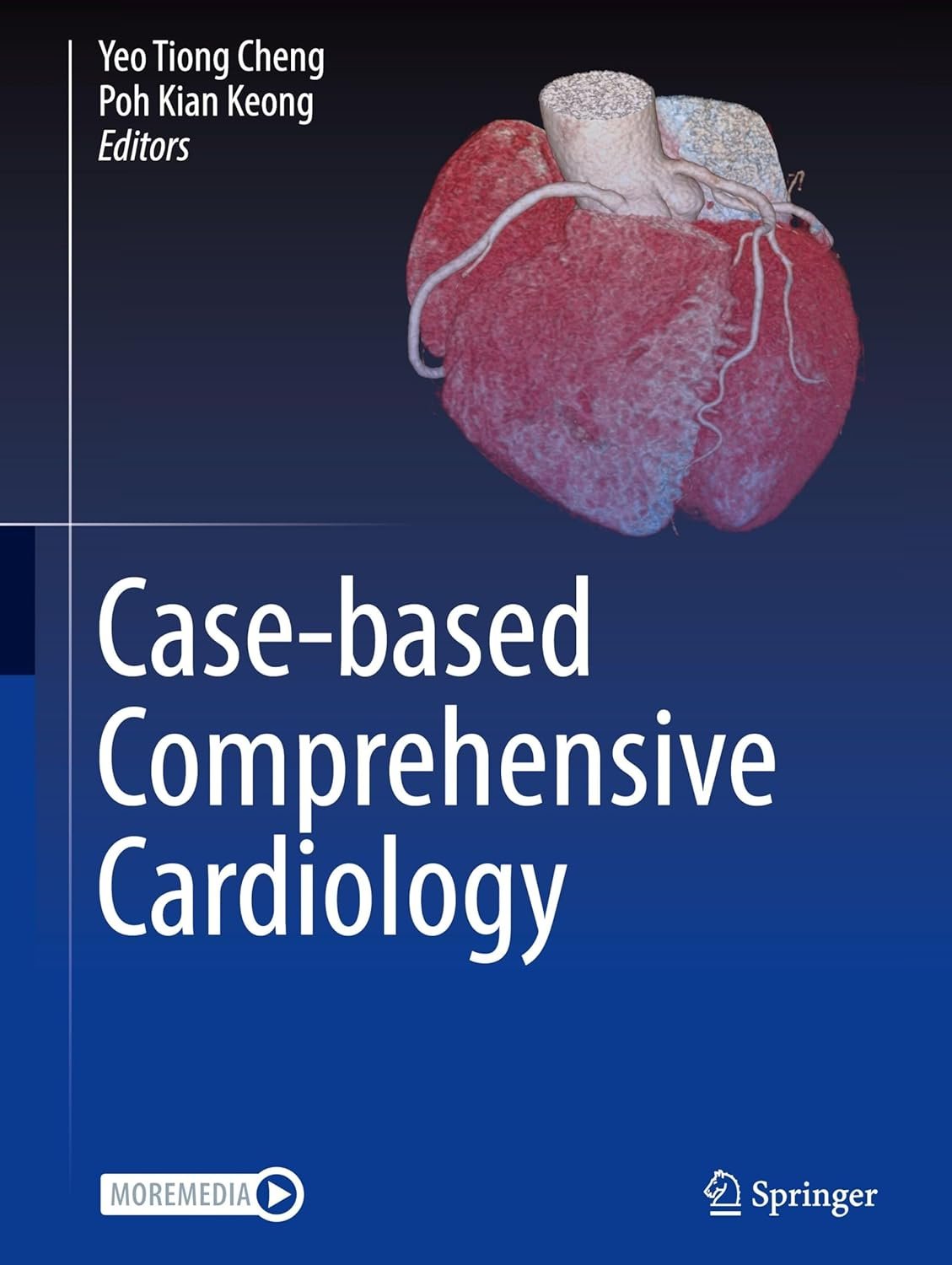
Case-Based Comprehensive Cardiology
Master cardiology through real-world clinical cases. The perfect companion to this article.
Get it for $2.99